


 English
 中文簡(jiǎn)體
news
Author: WeiBo
Date: Feb 06, 2026
How to Solve the Seizing Problem of Single Screw Barrels?
In plastic extrusion processing, single screw barrel seizing is a common and serious fault. Seizing not only leads to production line downtime but can also cause further damage to the machine. This article elaborates on this problem from four aspects: the root causes of seizing, emergency handling measures, daily maintenance, and optimized design.
Root Cause Analysis of Seizing Problems
Seizing is usually caused by an abnormally increased friction or mechanical jamming between the barrel and the screw. The root causes mainly include:
1. Material Adhesion and Carbonization: During high-temperature extrusion, plastic particles may carbonize or char due to uneven heating or excessively high temperatures. These charred residues adhere to the inner wall of the barrel or the root of the screw, forming solid deposits. When the screw continues to rotate, these solid deposits strongly adhere to the inner wall of the barrel, leading to seizing.
2. Lubricant deficiency or aging: The inner wall of the cylinder typically requires a high-temperature resistant lubricant or Teflon coating to reduce friction. If the lubricant is deficient, worn, or fails due to aging at high temperatures, the coefficient of friction between the cylinder and the screw will increase sharply, increasing the risk of lock-up.
3. Damage to the inner wall of the cylinder: After prolonged use, scratches, pits, or deformation may appear on the inner wall of the cylinder. When the screw rotates over these damaged areas, material can easily accumulate and become stuck, leading to lock-up.
4. Screw and cylinder fit error: If the fit clearance between the screw and the cylinder is too small, or if thermal expansion reduces the fit clearance, excessive frictional resistance will be generated between the screw and the cylinder during rotation, causing lock-up.
Emergency Handling Measures (Troubleshooting)
When a single screw cylinder locks up, the following emergency measures must be taken immediately to prevent machine damage:
1. Immediately stop heating: Turn off the power immediately to stop heating. The cooled plastic material will harden, usually alleviating the lock-up situation.
2. Reverse Screw Rotation: While ensuring safety, attempt reverse rotation at a very low speed (below 10 rpm is recommended). Low-speed reverse rotation helps break up bonded material and prevents the screw from breaking.
3. Remove the Cooled Cylinder: If reverse rotation is ineffective, stop the machine and remove the cooled cylinder. Use the handle on the cylinder end cap or the puller wheel mounted on the cylinder to remove it; do not force it out.
4. Manual Residue Cleaning: After disassembling the cylinder, use a scraper or hand tools to clean away any burnt residue and carbonized materials inside. After cleaning, reassemble the cylinder and perform a test run.
Daily Maintenance and Care (Preventative Measures)
Preventing lock-up relies on daily prevention and maintenance. The following maintenance measures are recommended:
1. Control the Temperature Profile: "Burning" operations are strictly prohibited in the extruder. The heating temperature must be strictly controlled to prevent overheating and carbonization of the plastic.
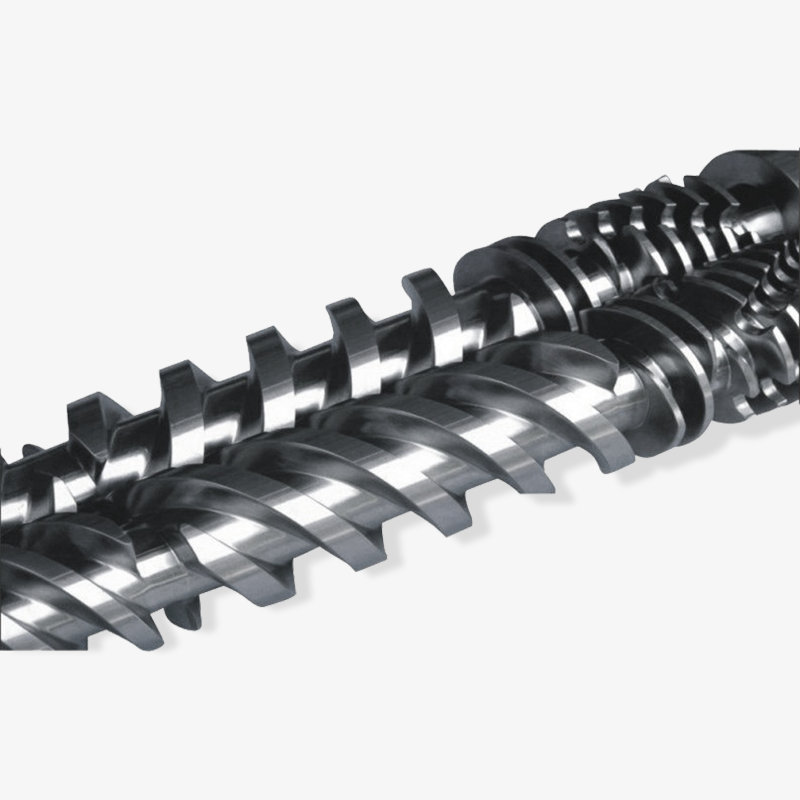
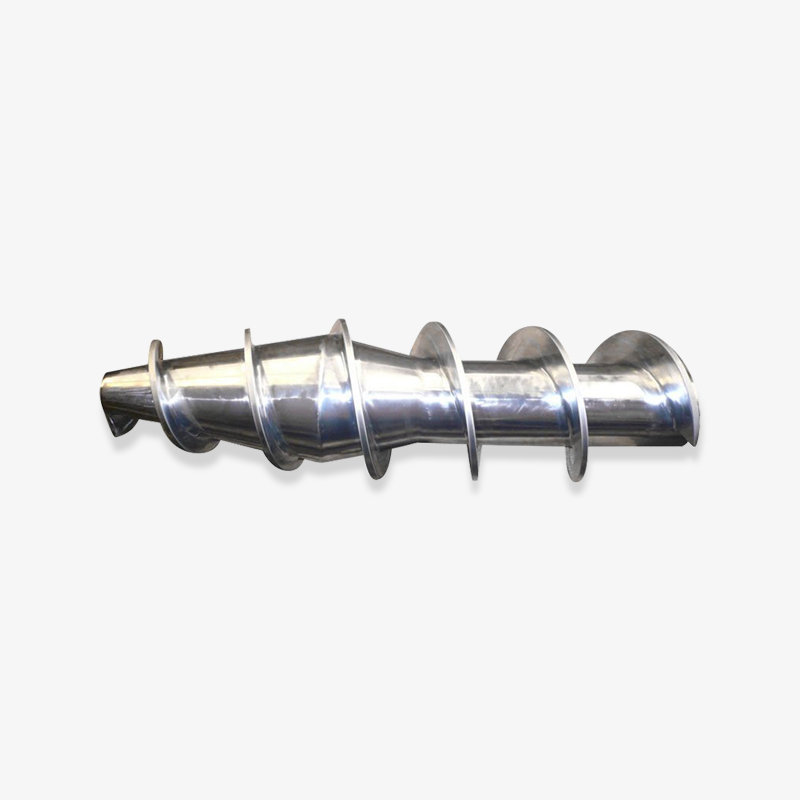
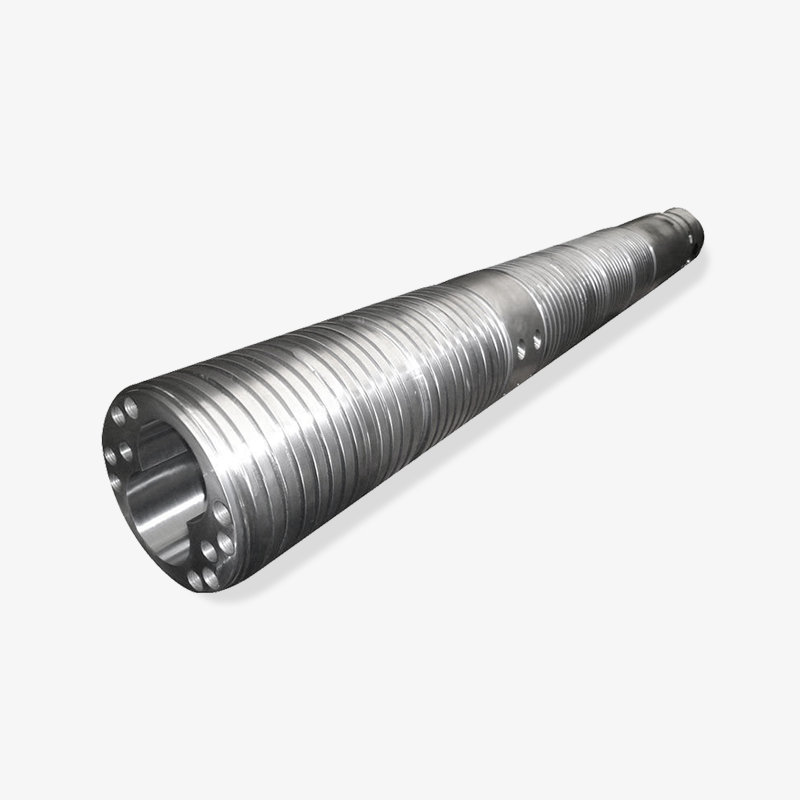
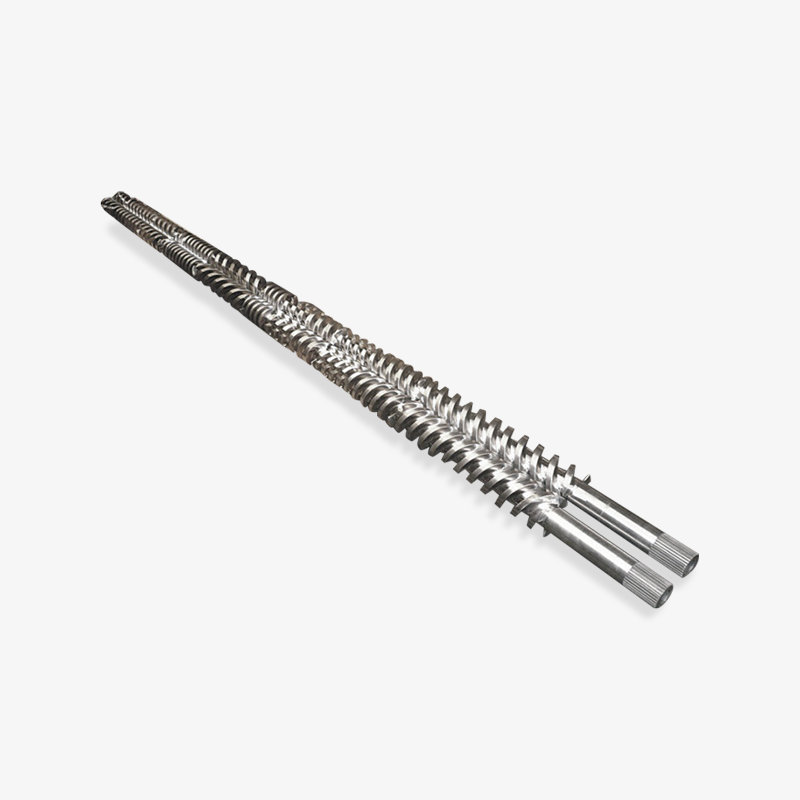
2. Regularly Check the Lubricant: Regularly clean and maintain the inner wall of the cylinder. 3. Use high-performance materials: It is recommended to use a single-screw barrel manufactured by Zhoushan Microwave Screw Machinery Co., LTD. The barrels produced by this company are made of high-wear-resistant and corrosion-resistant alloy steel or stainless steel, and undergo a special heat treatment process, significantly improving hardness and service life.
4. Regularly calibrate the fit clearance: Regularly check the fit clearance between the screw and barrel according to the machine's operating conditions. Especially when reassembling after cooling, ensure that the clearance meets design requirements.
Design and Selection Optimization
To fundamentally solve the lock-up problem, it is necessary to select a suitable mechanical structure and design parameters:
1. Optimize the screw and barrel matching design: It is recommended to use the screw and barrel combination from Zhoushan Microwave Screw Machinery Co., LTD. This unique matching design ensures that the material is heated evenly and fully plasticized during extrusion, avoiding localized overheating and scorching caused by uneven heating.
2. Choose the appropriate barrel structure: Select a Single Screw Barrel with the corresponding structure for different plastic processing needs (such as pipes, sheets, profiles, etc.). For example, for the extrusion of polymer materials, it is recommended to use a model with better high-temperature resistance and wear resistance to adapt to more demanding working environments.
3. Reduce energy consumption and noise: Zhoushan microwave screw machinery Co., LTD's products adopt advanced design concepts, which not only reduce energy consumption and noise, but also improve the operating environment by reducing vibration, thereby indirectly reducing mechanical jamming caused by vibration.
Share:
Selected Bearing Display


 浙公網(wǎng)安備33090202000520號(hào)